
Randolph Hoarding Cleanup Services
Choose us for hoarding cleanup because we combine empathy, professionalism, and proven methods to restore safety and peace of mind to your home—ensuring a respectful, judgment-free experience every step of the way.
Get a Free QuoteOur Randolph Junk Removal Services
Hoarding Cleanup in Randolph, MA – Local Service Guide
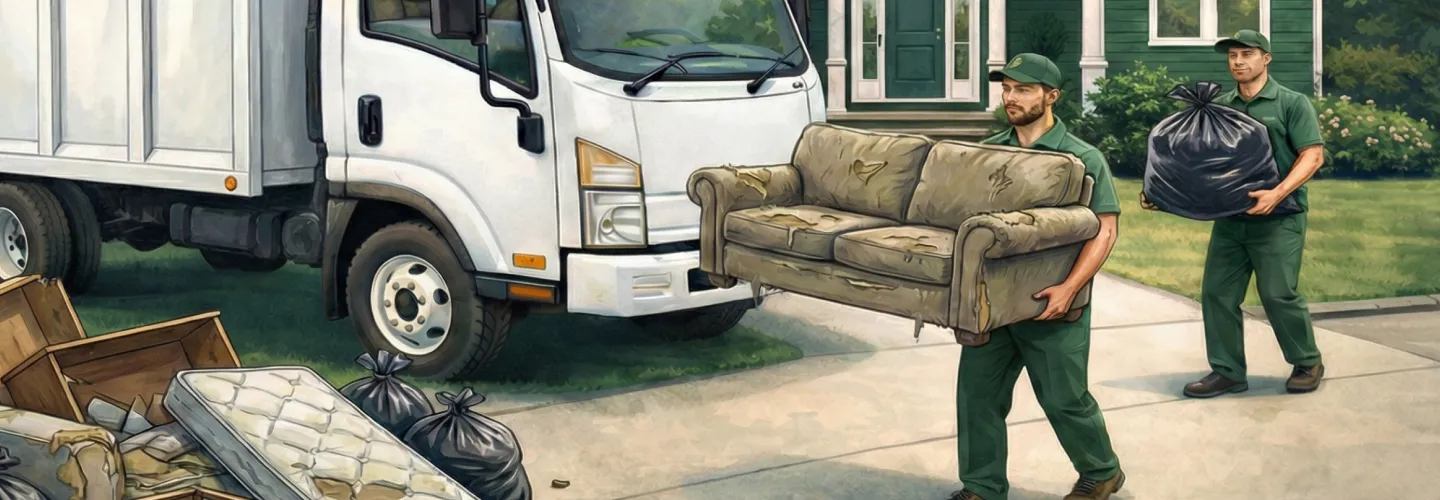
Hoarding cleanup in Randolph, MA requires a sensitive, thorough approach tailored to local needs. In neighborhoods like North Randolph and along Main Street, residents often seek help after major life events, seasonal cleanouts, or property transitions. For residential items—such as furniture, mattresses, appliances, and even pianos—timing often aligns with spring cleaning, estate transitions, or after severe weather. Many opt to donate or recycle usable items, while larger or hazardous pieces require careful disposal, especially in areas with limited driveway access or during winter months.
Residential spaces like garages, basements, and yards in Randolph are frequently addressed after storms or during fall leaf cycles, particularly in flood-prone zones near Ponkapoag Brook. Commercial clients in the Randolph business district, including restaurants and medical offices, need discreet, efficient service to minimize disruption. Specialty cleanups—such as for foreclosures, estates, or construction debris—demand careful planning and coordination, especially when handling large volumes or unique property layouts.
Benefits of Hoarding Cleanup in Randolph
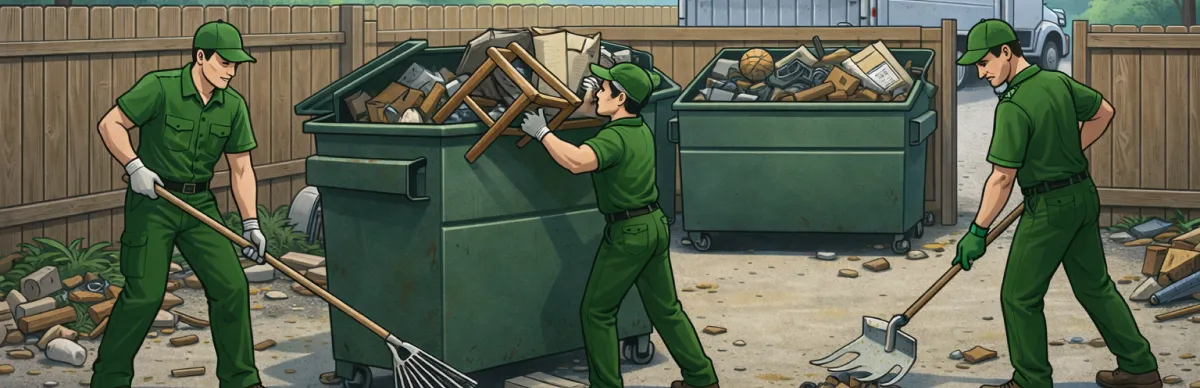
Compassionate and Discreet Service
Certified Cleanup Professionals
Fast and Reliable Response
Thorough Sanitization and Odor Removal
Customized Cleanup Plans
Safe Disposal of Hazardous Materials
Coordinating Hoarding Cleanup with Randolph’s Department of Public Works and Solid Waste Programs
Effective hoarding cleanup in Randolph requires strict adherence to municipal solid waste management protocols. The Department of Public Works (DPW) oversees bulk waste collection, transfer station access, and disposal permits. Residents must schedule bulk item pickups in advance, with a limit of two cubic yards per collection and items placed curbside by 6:00 AM on the designated day. The Randolph Transfer Station, located at 128 Pleasant Street, operates Monday through Saturday from 7:00 AM to 5:00 PM and requires proof of residency for access. Disposal fees are typically $35 per ton, with a $10 minimum charge. Prohibited items, such as hazardous waste and electronics, must be separated for proper handling. For large-scale hoarding cases, coordination with licensed commercial haulers may be necessary, and right-of-way permits are required for extended curbside placement of dumpsters or trucks.
- Schedule bulk pickups at least 48 hours in advance
- Transfer station access requires resident ID or utility bill
- Fees: $35/ton, $10 minimum
- Separate hazardous and electronic waste
- Obtain right-of-way permits for curbside dumpsters
Department of Public Works
41 South Main Street, Randolph, MA 02368
Phone: (781) 961-0942
Official Website: Department of Public Works
Randolph Code Enforcement and Health Department Regulations for Hoarding Cleanup
Hoarding situations in Randolph are subject to local code enforcement and public health regulations. The Building Department and Health Department may issue abatement orders if hoarding poses fire, structural, or sanitation hazards. Entry for cleanup may require property owner consent or a court order in severe cases. All remediation activities must comply with Randolph’s property maintenance code, including safe removal of debris, pest control, and restoration of egress routes. The Health Department may mandate professional biohazard remediation for mold, animal waste, or medical sharps. Violations can result in daily fines or legal action. Residents and property managers should consult with both departments before initiating cleanup to ensure compliance and avoid penalties.
- Abatement orders issued for code or health violations
- Entry may require owner consent or court order
- Biohazard remediation required for hazardous materials
- Daily fines for non-compliance
- Consult departments before cleanup begins
Building Department
41 South Main Street, Randolph, MA 02368
Phone: (781) 961-0902
Official Website: Building Department
Health Department
41 South Main Street, Randolph, MA 02368
Phone: (781) 961-0924
Official Website: Health Department
Massachusetts Solid Waste Laws and Randolph’s Landfill Ban Compliance for Hoarding Cleanup
Massachusetts enforces strict landfill bans on certain materials commonly found in hoarding environments, including electronics, mattresses, appliances, and hazardous waste. Under the Massachusetts Department of Environmental Protection (MassDEP) regulations, these items must be separated and recycled or disposed of at designated facilities. Randolph residents can utilize the city’s electronics recycling events and hazardous waste collection days, typically held twice annually. Appliances containing refrigerants require certified removal of chemicals before disposal. Violations of state landfill bans can result in fines up to $500 per incident. For a full list of banned materials and recycling options, consult the MassDEP solid waste page.
- Electronics and mattresses banned from landfill disposal
- Hazardous waste accepted only at special collection events
- Appliances require refrigerant removal by certified technicians
- Fines up to $500 for improper disposal
- Annual recycling events for banned materials
Massachusetts Department of Environmental Protection
Boston, MA 02114
Phone: (617) 292-5500
Official Website: Massachusetts Department of Environmental Protection
Safe Handling and Material Separation Standards for Randolph Hoarding Cleanup Projects
Proper material handling is essential during hoarding cleanup in Randolph to protect worker safety and ensure regulatory compliance. The Occupational Safety and Health Administration (OSHA) requires the use of personal protective equipment (PPE) such as gloves, masks, and eye protection when handling potentially hazardous materials. All debris must be sorted at the source: recyclables, electronics, hazardous waste, and general refuse must be separated before transport. Lead paint and asbestos, common in pre-1980 buildings, require assessment and, if present, abatement by licensed professionals under the EPA Lead-Safe Renovation Rule. Heavy lifting protocols and equipment use are mandated to prevent injury. Documentation of waste streams may be required for large-scale projects or code enforcement review.
- Use PPE: gloves, masks, eye protection
- Sort materials: recyclables, electronics, hazardous waste, refuse
- Lead/asbestos require licensed abatement
- Follow OSHA heavy lifting and equipment safety standards
- Maintain documentation for regulatory review
What Neighborhoods Do We Serve Throughout Randolph, MA?
- North Randolph: Predominantly single-family homes with older construction; narrow driveways and mature tree canopies may require smaller vehicles and careful placement of dumpsters for hoarding cleanup.
- South Randolph: Mix of multi-family residences and commercial properties; parking constraints and shared access points necessitate advance coordination with property managers and adherence to fire lane regulations.
- Randolph Center: Historic district with older buildings and limited street width; right-of-way permits and coordination with the Building Department are often required for exterior cleanup activities.
- Crawford Square: Dense residential and retail area; high pedestrian traffic and limited curb space require off-peak scheduling and strict compliance with municipal noise ordinances during cleanup.
- Union Street Corridor: Commercial and industrial zone; large-scale hoarding cases may involve warehouse spaces, requiring commercial hauler licensing and coordination with the Department of Public Works for bulk disposal.
- Highlands: Suburban neighborhood with newer homes and wider streets; easier access for cleanup vehicles, but HOA notification may be required for exterior debris placement.
- Blue Hills Area: Proximity to conservation land and parks; environmental protection measures are critical, and certain materials may require special handling to prevent contamination of natural resources.